
Campground Signs in St. Peters, MO: Custom Signage for Campgrounds, RV Parks, and Outdoor Spaces
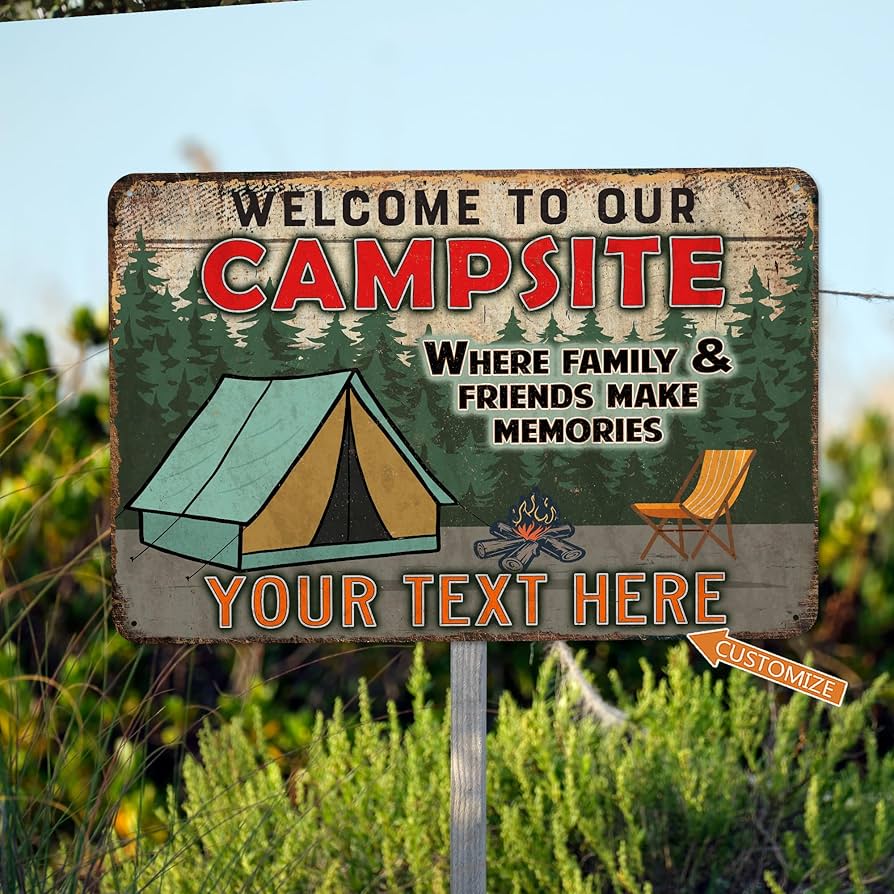
Campgrounds and RV parks around St. Peters, Missouri attract a wide range of visitors. Some are weekend travelers passing through St. Charles County, while others are families settling in for a full week outdoors. No matter the length of stay, one thing shapes every guest’s experience almost immediately: signage.
Clear, well-planned campground signs reduce confusion, improve safety, and help guests enjoy the property without frustration. Poor signage does the opposite. Missed turns, blocked access roads, unclear rules, and guests wandering around looking for restrooms or trails can quickly turn a peaceful stay into a stressful one.
For campground owners, park managers, and property operators in St. Peters and the surrounding area, signage is not just a finishing touch. It is an operational tool. When done correctly, it supports staff, protects property, and creates a more professional and welcoming environment from the moment guests arrive.
At Twin Clover Sign and Graphics, we work with outdoor spaces across St. Charles County to design and install custom, high-quality signage that functions well, holds up to Missouri weather, and fits naturally into the landscape.
Who This Guide Is For
This article is designed for anyone responsible for managing or improving outdoor recreational properties in or near St. Peters, MO, including:
- Campgrounds and RV parks
- Cabin resorts and seasonal camping properties
- Public and private parks
- Trail systems and conservation areas
- Marina and lake-access properties
- HOA-managed outdoor amenities
- Municipal and county recreation departments
Whether you are building a new campground, updating an older property, or fixing problem areas that guests regularly ask about, a thoughtful signage system can make a noticeable difference.
The Core Campground Sign System Every Property Needs
Effective campground signage works as a complete system. Signs should guide guests from arrival to departure without requiring staff intervention at every step. Below are the key categories that make up a well-functioning campground sign plan.
Entrance and Arrival Signage
The entrance sets expectations for the entire experience. This is where guests decide whether the property feels organized and welcoming or confusing and unprepared.
Key entrance signage elements include:
- Main entrance identification signs
- Office and check-in directions
- Check-in hours and after-hours instructions
- Visitor sign-in notices
- Registered campers only messaging where applicable
A clearly marked entrance prevents unnecessary traffic flow issues and helps guests understand where to go before they ever leave their vehicle. For larger properties, entrance signage often works best when paired with directional signs that guide guests toward offices, parking areas, or campground loops immediately after entry.
Our team frequently designs entrance signage that balances visibility with aesthetics, ensuring signs are easy to read without overwhelming the natural setting.
Directional and Wayfinding Signs
Directional signage is one of the most important and most overlooked elements of campground design. Guests should never feel lost once they are on your property.
Common directional sign needs include:
- Office and check-in directions
- Campsite loops and cabin numbers
- Restrooms and showers
- Potable water stations
- Dump stations
- Trailheads and activity areas
- Lake access and marinas
- Exit routes
Directional signs reduce vehicle congestion, limit off-road driving, and significantly decrease the number of staff interruptions caused by guests asking for directions.
Twin Clover Sign and Graphics specializes in directional and wayfinding signage that is consistent, easy to follow, and tailored to the layout of each property. We focus on legibility, arrow clarity, and placement so signs are visible at decision points rather than after a guest has already missed their turn.
Rules, Regulatory, and Property Protection Signs
Every campground has rules, but how those rules are communicated matters. Signs should protect the property without making guests feel unwelcome.
Common regulatory signage includes:
- Quiet hours
- Speed limits
- Pet and leash rules
- Fire safety notices
- Trail restrictions
- Service vehicle only areas
- Seasonal closures
- Registered campers only areas
Rules signage works best when it is consistent in style and tone across the property. A mix of mismatched signs can feel chaotic or overly strict. Clean, professional signage communicates expectations clearly while maintaining a friendly atmosphere.
We often help property owners consolidate rule messaging into organized sign systems rather than scattering individual notices throughout the campground.
Parking and Traffic Flow Signs
Parking and internal traffic control are critical for safety, especially in campgrounds with shared pedestrian and vehicle spaces.
Typical parking and traffic signage includes:
- ADA parking signs
- Reserved parking
- No parking zones
- Fire lane notices
- One-way traffic indicators
- Speed control signage
- Pickup and drop-off areas
For campgrounds with internal roadways, signs should follow standard traffic principles so guests instinctively understand them. Reflective materials are often recommended in areas where vehicles arrive after dark or where headlights are the primary source of visibility.
Restroom, Shower, and Amenity Signage
Guests frequently look for restrooms, showers, laundry rooms, and water access. If these signs are unclear or missing, frustration builds quickly.
Amenity signage commonly includes:
- Restroom identification signs
- Shower and laundry directions
- Drinking water and potable water notices
- Dump station directions
- Foot wash and rinse stations
- Seasonal closure notices
Using universally recognized symbols alongside text improves accessibility and helps guests who may not speak English as a first language. Proper placement is just as important as design. Signs should be visible from approach paths rather than hidden behind structures or landscaping.
Trail and Outdoor Recreation Signs
Trail signage is essential for both safety and enjoyment. Clear trail guidance prevents guests from wandering into restricted areas or becoming disoriented.
Trail signage often includes:
- Trailhead identification signs
- Directional trail markers
- Distance and difficulty indicators
- Stay-on-trail notices
- Motorized vehicle restrictions
- Seasonal warnings and closures
Trail signage should blend into the environment while remaining highly readable. Materials must withstand constant sun exposure, moisture, and temperature changes common in Missouri outdoor settings.
Choosing the Right Materials for Missouri Weather
Campground signs in St. Peters face a wide range of conditions. Summer heat, winter freezes, heavy rain, mowing debris, and UV exposure all take a toll over time.
Material considerations include:
- UV resistance to prevent fading
- Moisture-resistant substrates
- Reflective materials for low-light visibility
- Durable mounting hardware
- Proper post depth and anchoring
Sign longevity depends just as much on installation as it does on materials. Poor mounting leads to leaning signs, premature wear, and safety hazards.
Twin Clover Sign and Graphics uses materials and fabrication methods designed for long-term outdoor performance. We also handle professional installation to ensure signs remain secure and aligned over time.
Accessibility and ADA Considerations
Accessibility is an important part of campground signage, particularly for permanent structures and public-facing facilities.
ADA-related signage may include:
- Permanent restroom identification signs
- Office and building identification signs
- Room or space identification signs
- Tactile and braille signage where required
Not every sign requires ADA features, but knowing where they apply helps avoid compliance issues. Our team stays familiar with ADA signage standards and helps clients determine which areas require tactile or braille signage.
Planning a Smart Campground Sign Strategy
A successful signage project starts with planning. Rather than adding signs one at a time, a system-based approach produces better results.
A practical planning process includes:
- Mapping the guest journey from arrival to departure
- Identifying confusion points and frequent questions
- Standardizing naming conventions and design elements
- Selecting materials based on placement and exposure
- Installing signs at decision points rather than after them
Twin Clover Sign and Graphics follows a consultative approach that helps property owners create signage systems that work together rather than competing for attention.
Why Working With a Local Custom Sign Specialist Makes a Difference
Campground signage is not one-size-fits-all. Every property has its own layout, traffic flow, terrain, and guest expectations. This is where working with a local, full-service sign company becomes especially valuable.
A local sign specialist understands how outdoor signage performs in Missouri weather, how zoning and permitting work in St. Charles County, and how to design signage that fits naturally into both rural and suburban outdoor environments. Just as importantly, local teams are able to visit properties, walk the grounds, and identify problem areas that may not be obvious on a map or site plan.
At Twin Clover Sign and Graphics, our team works closely with campground owners and property managers to develop signage systems that are practical, durable, and visually cohesive. Rather than focusing on individual signs in isolation, we help clients think through the entire guest experience, from first arrival to final exit.
Because we provide design, fabrication, and installation, projects move more smoothly and signage remains consistent across the property. Directional signs, rule signage, ADA-compliant signs, and branded entrance signs all work together as a unified system instead of looking like they were added over time by multiple vendors.
Frequently Asked Questions About Campground Signs
What signs does a campground or RV park need first?
Most campgrounds benefit most from starting with entrance signage, directional signs, and restroom and amenity signage. These areas create the most guest confusion when signage is unclear or missing. Once those are addressed, rule signage, trail signage, and parking signs can be layered in as part of a complete system.
What materials last longest for outdoor campground signs?
Durability depends on placement, exposure, and use. Signs exposed to direct sunlight and vehicle traffic typically require UV-resistant materials and sturdy mounting hardware. Reflective materials are recommended for areas used after dark or near roadways. Proper installation plays a major role in long-term performance.
Do campgrounds need reflective signs?
Reflective signs are not required everywhere, but they are often helpful at entrances, intersections, speed zones, and areas accessed after sunset. Reflectivity improves visibility without requiring additional lighting and is especially useful during late-night arrivals.
When are ADA signs required at campgrounds?
ADA-compliant signage is typically required for permanent facilities such as restrooms, offices, and fixed buildings. These signs may need tactile lettering and braille. Temporary or informational signs usually do not fall under ADA tactile requirements. A signage professional can help determine where compliance applies.
Can signage match the natural look of a campground?
Yes. Many campgrounds prefer signage that blends into the environment while remaining readable. Color choices, fonts, and materials can all be selected to complement wooded, lakeside, or rustic settings without sacrificing clarity or durability.
Do you handle installation as well as design?
Yes. Installation is a critical part of signage performance and safety. Our team installs signs throughout St. Charles County, ensuring proper placement, anchoring, and alignment so signs remain secure and visible over time.
Bringing It All Together: A Better Guest Experience Through Better Signage
Campground signage does more than tell people where to go. It shapes how guests feel about your property. Clear signage reduces confusion, supports safety, protects natural areas, and helps staff focus on hospitality instead of constant direction-giving.
In busy seasons, a well-planned signage system quietly does its job in the background, guiding traffic, reinforcing rules, and helping guests enjoy their stay without frustration. Over time, this leads to better reviews, smoother operations, and fewer maintenance headaches.
At Twin Clover Sign and Graphics, we help campground owners and property managers in St. Peters and throughout St. Charles County create signage that works as hard as they do. From entrance signs and wayfinding systems to ADA-compliant signs and durable outdoor materials, our goal is to create solutions that last and make properties easier to navigate.
If you are planning a new campground, updating an existing property, or simply tired of answering the same directional questions from guests, a signage review is often a great place to start.
You can learn more or start a conversation by visiting our contact page at https://twincloversign.com/contact/
Our team is always happy to talk through ideas, review layouts, and help you build a signage system that fits your outdoor space now and for years to come.
Back