
Healthcare Signage for Hospitals, Clinics & Medical Offices in St. Louis
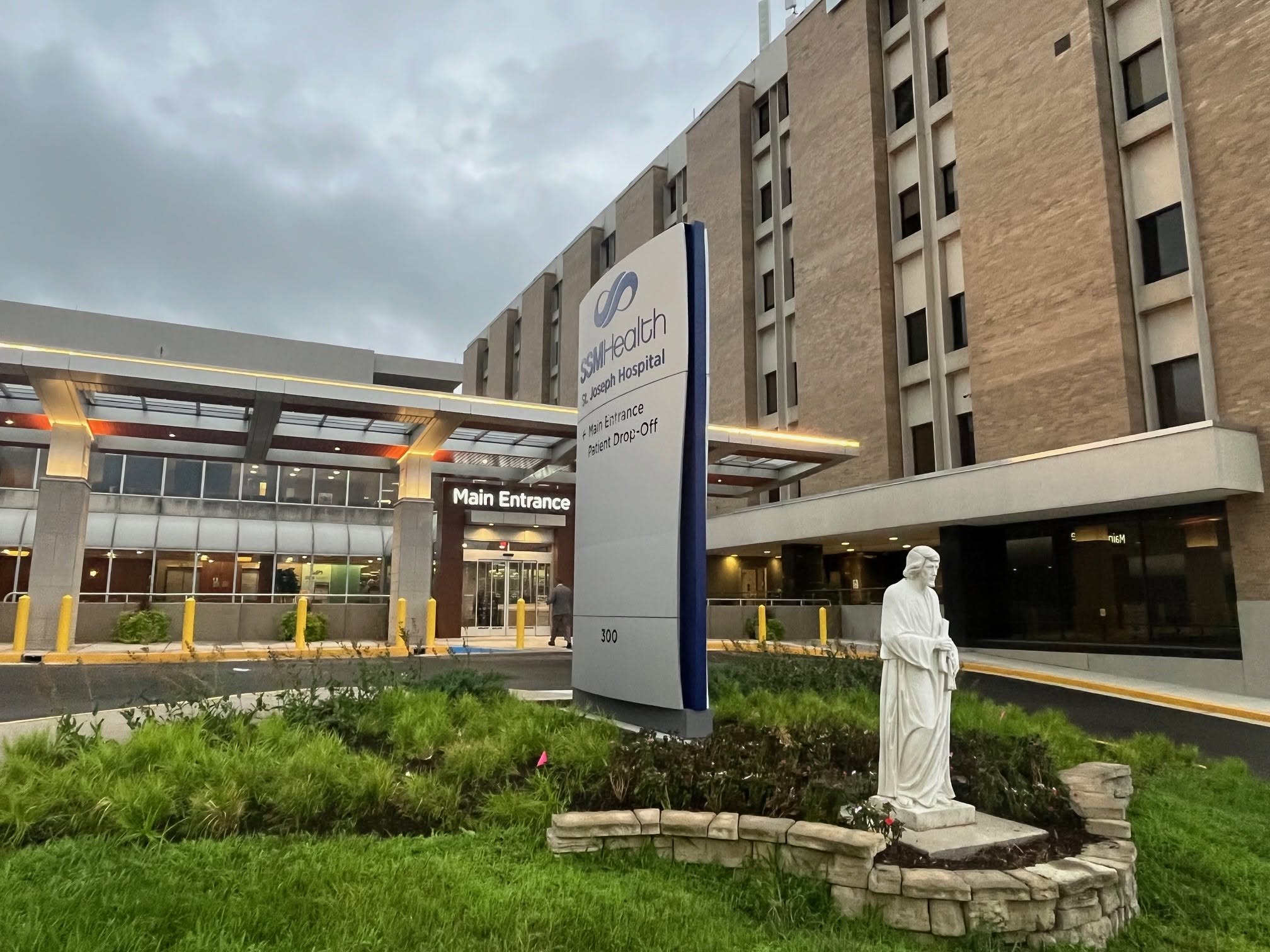
Hospitals, clinics, and medical offices are places where clarity matters. Patients may be arriving for an appointment, a test, a procedure, an urgent medical concern, or a first visit to a provider they have never met before. Family members may be trying to find the right entrance, the right waiting room, or the right department while already feeling stressed. Staff members need signs that help keep people moving safely and efficiently through the building.
That is why healthcare signage is so much more than a logo on the outside of a building. The right signs can guide, inform, reassure, and create a more professional experience from the parking lot to the front desk to the exam room.
For hospitals, clinics, urgent care centers, dental offices, specialty practices, and medical office buildings throughout St. Louis and St. Charles County, custom healthcare signage helps bring order to busy spaces. At Twin Clover Sign and Graphics, our team creates custom, high-quality signs designed to make facilities easier to navigate, easier to recognize, and more consistent from one area to the next.
What Is Healthcare Signage?
Healthcare signage refers to the full system of signs, graphics, displays, and identification markers used inside and outside a medical facility. This can include exterior building signs, monument signs, parking signs, lobby signs, room identification signs, ADA signs, Braille signs, wayfinding signs, safety signs, window graphics, wall graphics, and temporary notices.
In a retail store or restaurant, signage often focuses heavily on promotion and branding. In a healthcare setting, the priorities are a little different. Healthcare signs still need to look professional and represent the organization well, but they also need to provide clear direction, reduce confusion, support accessibility, and help visitors move through the space with confidence.
A strong signage system should answer simple questions before patients have to ask them.
Where do I park? Which entrance should I use? Where do I check in? Is this the right department? Where are the elevators? Is this hallway for staff only? Which exam room am I supposed to enter?
When those questions are answered clearly, the entire facility feels more organized.
Why Healthcare Signage Matters for Patient Experience
Medical visits can be emotional. Even a routine appointment can feel stressful when someone is running late, managing a health concern, helping an elderly parent, or bringing a child to an unfamiliar clinic.
Clear signage helps remove unnecessary friction from that experience. Patients and visitors should not have to wander through hallways, circle the parking lot, or stop multiple staff members just to find the right place. Good healthcare signs create a smoother path.
This is especially important in large hospitals, multi-building campuses, and multi-tenant medical offices. A patient may need to move from the parking lot to registration, then from registration to imaging, then from imaging to a specialist office on another floor. Without a clear signage system, every turn becomes a chance for confusion.
Wayfinding signage can also support staff efficiency. When visitors can find their destination on their own, front desk teams, nurses, and administrators may spend less time redirecting traffic and more time focusing on their primary work.
Exterior Healthcare Signs Create the First Impression
The first healthcare sign many people see is outside the building. That first sign needs to do more than look nice. It needs to confirm that the visitor has arrived at the right place.
Exterior healthcare signs can include:
- Building signs
- Monument signs
- Pylon signs
- Post and panel signs
- Entrance signs
- Parking lot signs
- Directional signs
- Multi-tenant directory signs
- Emergency entrance signs
For medical offices in St. Louis, Wentzville, O’Fallon, Lake St. Louis, St. Peters, St. Charles, Chesterfield, Creve Coeur, Maryland Heights, Bridgeton, and nearby communities, exterior signs play a major role in visibility. A patient should be able to identify the facility from the road, parking lot, or sidewalk without guessing.
This is especially important for specialty practices located inside larger professional buildings. If the exterior signage is unclear, outdated, or inconsistent with the rest of the facility, the patient experience starts with uncertainty.
At Twin Clover Sign and Graphics, we create outdoor signs built to attract attention, communicate clearly, and support a professional brand presence. For healthcare facilities, that means choosing sign types, materials, colors, and placement carefully so the finished product feels polished and practical.
Parking Lot and Entrance Signs for Medical Facilities
The parking lot is often where confusion begins. In healthcare spaces, clear parking signs can make a major difference.
Patients may need to find visitor parking, patient parking, accessible parking, employee parking, emergency parking, physician parking, or a designated drop-off area. Delivery drivers, vendors, and staff may also need separate instructions.
Parking and entrance signs can help identify:
- Main entrance
- Emergency entrance
- Urgent care entrance
- Patient drop-off
- Visitor parking
- Staff parking
- Accessible parking
- Reserved spaces
- Delivery entrance
- After-hours entrance
These signs should be easy to read from a moving vehicle. They should also be placed before the decision point, not after someone has already passed the turn.
For hospitals and larger medical buildings, parking lot signs should work together as part of a complete wayfinding system. The colors, arrows, terminology, and layout should feel consistent across the entire property.
Wayfinding Signs for Hospitals and Clinics
Wayfinding signs help people move from one area to another. In healthcare settings, these signs are one of the most important parts of the overall signage package.
Hospital wayfinding signs may include overhead signs, wall-mounted directional signs, directories, elevator signs, floor graphics, department signs, stairwell signs, and hallway markers. Clinic wayfinding signs may be simpler, but the purpose is the same. Visitors should know where they are, where they need to go, and what direction to move next.
A good wayfinding system usually depends on a few core principles:
- Simple wording
- Consistent department names
- Clear arrows
- Easy-to-read fonts
- Strong contrast
- Logical sign placement
- Consistent colors and symbols
- Signs placed at every major decision point
The wording matters. For example, if one sign says “Imaging,” another says “Radiology,” and another says “X-Ray,” visitors may wonder if those are three different places. Healthcare facilities should keep terminology consistent wherever possible.
Twin Clover Sign and Graphics provides directional signs and custom wayfinding signage for businesses and facilities that need to guide visitors more clearly. For healthcare environments, that guidance can be especially valuable because visitors may be unfamiliar with the building and under time pressure.
Directional Signs for High-Stress Areas
Some areas of a medical facility require extra clarity because the visitor may be arriving during a stressful moment. Emergency rooms, urgent care entrances, surgical centers, labs, imaging departments, and specialty departments should be especially easy to identify.
Directional signs for high-stress areas may include:
- Emergency
- ER Entrance
- Urgent Care
- Main Lobby
- Registration
- Outpatient Surgery
- Imaging
- Lab Services
- Pharmacy
- Patient Pick-Up
- Family Waiting Area
In these spaces, signs should not be clever or overly decorative. They should be direct, legible, and placed where people naturally look.
This does not mean healthcare signs have to be boring. It means the design should serve the message. A sign can be branded, professional, and attractive while still being highly readable.
ADA Signs and Braille Signs in Healthcare Settings
Healthcare facilities serve the public, which makes accessibility an important part of signage planning. ADA signage can include room identification signs, restroom signs, elevator signs, stairwell signs, accessible route signs, and other permanent space identification signs.
The ADA includes standards for certain signs, including tactile characters, Braille, mounting location, and visual readability. Healthcare facilities should always confirm specific requirements with the proper code, accessibility, or building professional, especially during renovations, expansions, or new construction.
From a practical standpoint, ADA signs and Braille signs help make spaces more usable for more people. In a hospital, clinic, or medical office, that matters. Patients and visitors may already be dealing with mobility, vision, hearing, or cognitive challenges. Signs should make the building easier to use, not harder.
Twin Clover Sign and Graphics provides ADA signs and Braille signs as part of our custom sign services. For healthcare spaces, these signs should be planned carefully so they are consistent, professional, and appropriate for the rooms or areas they identify.
Patient Room, Exam Room, and Department Signs
Room identification signs are a major part of healthcare signage. In hospitals and clinics, people need to quickly identify patient rooms, exam rooms, consultation rooms, nurse stations, restrooms, offices, labs, and restricted areas.
These signs are used every day by patients, visitors, staff, vendors, and emergency personnel. They should be durable, easy to read, and consistent throughout the facility.
Common examples include:
- Patient Room 101
- Exam Room 2
- Nurse Station
- Consultation Room
- Lab
- Staff Only
- Records
- Restroom
- Waiting Area
- Check-In
- Check-Out
Consistency is especially important when a facility has multiple floors or departments. If one floor uses one style of room sign and another floor uses a completely different style, the building can feel disconnected. A coordinated sign system gives the space a more professional and intentional appearance.
Lobby and Reception Signs for Medical Offices
The lobby is where the healthcare brand often becomes real to the patient. A polished lobby sign can make a medical office feel more established, organized, and trustworthy.
Lobby signs may include dimensional letters, acrylic signs, wall logos, reception signs, office signs, or branded wall graphics. These signs do not need to be loud. In healthcare spaces, subtle and clean often works best.
For medical offices, dental practices, physical therapy clinics, chiropractic offices, eye care clinics, and specialty practices, lobby signage helps reinforce the name and identity of the organization. It also gives patients confidence that they are in the right place.
Twin Clover Sign and Graphics creates lobby signs, office signs, acrylic signs, wall graphics, and custom business signs. For medical offices, these services can be combined to create a professional front-of-house experience that feels consistent with the rest of the facility.
Window Graphics and Door Lettering for Clinics
Windows and doors are valuable signage surfaces. They can help identify a medical office from the outside, display hours, list provider names, mark suite numbers, or add privacy to glass areas.
Common options include:
- Door lettering
- Window graphics
- Frosted privacy film
- Hours of operation
- Suite numbers
- Provider names
- Branded decals
- Entry instructions
- Clinic graphics
For clinics in multi-tenant buildings, door and window graphics are especially useful. Patients may already know the building address, but they still need to identify the correct suite. A clean, professional door graphic can make that final step easier.
Frosted window film can also be helpful in healthcare environments where privacy matters. It can create a more comfortable separation between waiting rooms, consultation areas, offices, and treatment spaces while still allowing light into the room.
Wall Graphics and Healthcare Facility Graphics
Wall graphics can help healthcare spaces feel less sterile and more welcoming. They can also be used for branding, education, donor recognition, department identification, or environmental design.
In pediatric clinics, wall graphics might use friendly colors and imagery to make the space feel less intimidating. In a physical therapy office, graphics might communicate movement, strength, and recovery. In a specialty medical office, wall graphics may highlight the practice’s values, mission, or areas of expertise.
Healthcare facility graphics can include:
- Branded wall murals
- Mission statement walls
- Donor recognition displays
- Department graphics
- Educational displays
- Privacy graphics
- Decorative wall graphics
- Informational displays
The best wall graphics feel intentional. They should fit the tone of the facility and support the patient experience without overwhelming the space.
Hospital Safety Signs and Compliance Notices
Safety signs are another important part of healthcare signage. These signs help communicate rules, restrictions, warnings, and instructions throughout the facility.
Examples include:
- Authorized Personnel Only
- Staff Only
- Restricted Area
- PPE Required
- Hand Hygiene Station
- Biohazard
- No Smoking
- Emergency Exit
- Fire Extinguisher
- Do Not Enter
- Wet Floor
- Isolation Area
Healthcare safety signs should be clear and easy to understand. They should also be durable enough for high-traffic use. In many facilities, safety signs are added over time as needs change. When those signs are mismatched or poorly placed, the environment can start to feel cluttered.
A more coordinated approach helps safety information stand out while still maintaining a professional appearance.
Temporary Signs for Healthcare Facilities
Not every healthcare sign is permanent. Medical facilities often need temporary signs for renovations, construction, seasonal updates, vaccination clinics, flu shot clinics, special events, temporary entrances, or department relocations.
Temporary signs can include banners, posters, yard signs, A-frame signs, window graphics, and temporary directional signs.
Even temporary signs should look professional. A paper sign taped to a wall may solve an immediate problem, but it can also make the facility feel less organized. A well-designed temporary sign gives visitors the information they need while still maintaining trust in the environment.
This is especially useful during remodels or phased construction projects, where entrances, hallways, and parking areas may shift for a short period of time.
Signage for Multi-Tenant Medical Buildings
Many healthcare providers operate inside multi-tenant medical buildings. These spaces may include primary care offices, specialists, dentists, imaging providers, labs, therapy clinics, and administrative offices all under one roof.
In these environments, signage needs to help visitors identify both the building and the specific provider they are trying to find.
Important signs may include:
- Exterior monument signs
- Tenant panels
- Building directories
- Suite signs
- Elevator directories
- Hallway directional signs
- Parking signs
- Door lettering
For medical office buildings in areas like Chesterfield, Creve Coeur, Maryland Heights, St. Peters, O’Fallon, Wentzville, and St. Charles, a coordinated sign system can make the building easier to navigate while giving every tenant a more professional presence.
Multi-tenant signage also needs room for change. Providers may move in, move out, expand, or rebrand. A thoughtful sign system makes updates easier without making the whole building look patched together.
Signage for Smaller Clinics and Private Practices
Smaller medical offices need strong signage too. In fact, signage can be especially important for private practices because it helps create credibility and visibility.
A small clinic may need:
- Exterior building signage
- Door lettering
- Window graphics
- Lobby signs
- Exam room signs
- ADA signs
- Parking signs
- Directional signs
- Wall graphics
For a new practice, signage helps announce the office and make the space feel complete. For an established practice, updated signs can support a rebrand, improve patient flow, or refresh the look of the office.
A custom sign package does not need to be excessive. It just needs to be planned well. The goal is to create signs that match the practice, support the patient experience, and hold up well over time.
Branding Consistency Across Healthcare Signs
Healthcare signage should be easy to understand, but it should also feel connected to the organization’s brand. Colors, fonts, logos, materials, and messaging all play a role.
A facility with mismatched signs can feel less organized. One sign may use an old logo, another may use a different color, and another may be printed on temporary material. Over time, these small inconsistencies can affect how professional the space feels.
A coordinated signage system helps solve that. Exterior signs, lobby signs, ADA signs, room signs, and wayfinding signs can all work together while still serving different purposes.
At Twin Clover Sign and Graphics, our approach is built around custom design and collaboration. We take time to understand the project, the space, and the message so the finished signage feels specific to the facility instead of generic.
Choosing the Right Materials for Healthcare Signage
Material selection matters in healthcare environments. Signs may need to withstand daily traffic, cleaning, weather, sunlight, moisture, or repeated contact.
Interior signs may use acrylic, vinyl, dimensional lettering, printed panels, window film, or wall graphics. Exterior signs may require more durable materials suitable for weather exposure, visibility, and long-term use.
When choosing materials, it helps to consider:
- Indoor or outdoor placement
- Expected lifespan
- Cleaning needs
- Visibility
- Lighting
- Mounting surface
- Brand appearance
- Budget
- Maintenance
The right material is not always the most expensive option. It is the option that best fits the purpose of the sign. A professional sign team can help determine what makes sense for each location.
Professional Installation Makes a Difference
Even a well-designed sign can fail if it is installed poorly. In healthcare settings, installation needs to be precise, secure, and clean.
Placement matters. A directional sign must be visible before the visitor reaches the decision point. An ADA sign must be installed in the appropriate location. A lobby sign should be level, properly mounted, and scaled correctly to the wall. An exterior sign should be built and installed with durability in mind.
Twin Clover Sign and Graphics provides expert installation as part of our full-service process. From consultation and planning to skilled fabrication and installation, our team works to make the signage process smoother from start to finish.
For healthcare projects, this full-service approach is helpful because there are usually many sign types involved. A facility may need outdoor signs, lobby signs, ADA signs, directional signs, window graphics, and room signs all working together.
How to Plan a Healthcare Signage Project
A successful healthcare signage project starts with understanding the space and the people who use it.
Before ordering signs, it helps to walk through the facility like a first-time visitor. Start from the road. Is the building easy to identify? Is the parking clear? Is the main entrance obvious? Once inside, can visitors find registration, restrooms, elevators, waiting areas, departments, and exits?
A practical planning process may include:
- Reviewing current signs
- Identifying confusing areas
- Mapping the visitor journey
- Listing all departments and rooms
- Reviewing ADA and accessibility needs
- Choosing permanent and temporary signs
- Matching signs to the facility’s branding
- Selecting materials
- Planning fabrication and installation
This is where working with a custom sign company can be valuable. Instead of ordering signs one at a time, a healthcare facility can think about the full system and create a more consistent result.
Common Healthcare Signage Mistakes to Avoid
Many signage problems are easy to overlook until visitors start getting confused.
Common mistakes include signs that are too small, signs with too much text, inconsistent department names, poor contrast, unclear arrows, missing signs at decision points, outdated paper notices, and signs installed in places where visitors see them too late.
Another common issue is adding signs gradually without a larger plan. This can happen when a clinic expands, a department moves, or a building gets renovated. The result may be a mix of old signs, new signs, temporary signs, and handwritten notices that do not work well together.
A thoughtful signage update can help bring everything back into alignment.
Healthcare Signage Across St. Louis and St. Charles County
Healthcare facilities throughout Greater St. Louis and St. Charles County benefit from signage that is clear, consistent, and professionally installed. This includes hospitals, urgent care centers, medical office buildings, dental offices, physical therapy clinics, chiropractic offices, eye care practices, specialty clinics, and private medical practices.
Twin Clover Sign and Graphics serves businesses and organizations throughout areas such as Wentzville, O’Fallon, Lake St. Louis, St. Peters, St. Charles, Cottleville, Dardenne Prairie, Chesterfield, Creve Coeur, Maryland Heights, Bridgeton, Earth City, Ballwin, Wildwood, Warrenton, Troy, and Wright City.
Whether the project is a full healthcare signage package or a smaller update to a lobby, entrance, or wayfinding system, the goal is the same. The signs should help people understand where they are, where they need to go, and what the facility represents.
Why Work With a Local Full-Service Sign Company?
Healthcare signage often involves more than one product. A facility may need exterior signs, ADA signs, Braille signs, lobby signs, directional signs, wall graphics, window graphics, and parking signs. Working with a full-service sign shop helps keep the process more organized.
At Twin Clover Sign and Graphics, we provide consultation services, planning and design, skilled fabrication, expert installation, and a satisfaction-focused process. Our team creates custom signs designed around the needs of each project.
We are locally owned and family-run, and we understand how important it is for local businesses and organizations to be seen clearly and represented well. For healthcare facilities, that means signs that are professional, durable, easy to read, and aligned with the space.
Healthcare Signs That Support a Better Facility Experience
The best healthcare signage does not call attention to itself for the wrong reasons. It simply works. It helps the patient find the right entrance. It helps the visitor reach the right department. It helps the staff member point someone in the right direction. It helps the facility feel more polished, accessible, and organized.
For hospitals, clinics, and medical offices in St. Louis and St. Charles County, custom signage is an important part of the overall environment. From medical wayfinding and ADA signs to lobby signs, wall graphics, parking signs, and exterior building signs, each piece plays a role.
If your healthcare facility is expanding, rebranding, renovating, or trying to solve wayfinding issues, Twin Clover Sign and Graphics can help plan, design, fabricate, and install a custom signage system built around your space.
To get started, visit our contact page and tell us how we can help with your healthcare signage project.
Back